My Top EC & Potty Resources
Where to potty and what to bring
Whether you're just starting Elimination Communication (EC), navigating potty resistance, or looking for practical tools that make everyday life easier, these are the products, books and resources I most often recommend as a product manager and toddler mum practising part-time EC.
Most have been used by my own family; others come highly recommended by trusted coaches and families within the EC community.
This page includes affiliate links to support my work. This means I may earn a small commission at no additional cost to you. I've included options from both Europe and the US, as well as DIY ideas wherever possible.
03 Sustainable Swaps
The Essentials
Skip the overwhelm. A practical starting point to cover most potty situations, from home to travel—without buying it all.
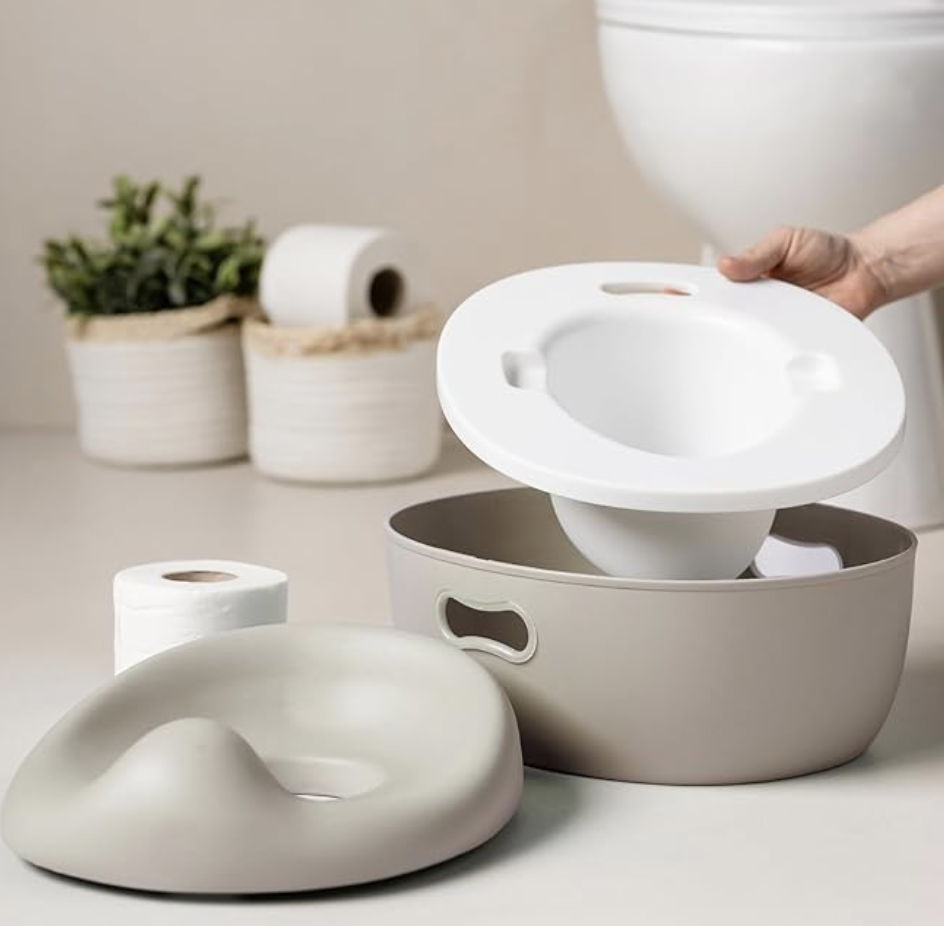
I'll admit it: I bought the first cute whale-shaped potty I came across. There was nothing wrong with it (and we still use it today), but I quickly realised there's more to pottying than meets the eye. The insert wasn’t optimal for early Elimination Communication (EC), which is one reason the Tiny Potty & Top Hat Potty from Godiaperfree have become favourites within the EC community.
The compact design and the supportive ledge make the Top Hat suitable from birth, including during feeds. And the Tiny Potty can be used as soon as your baby can sit, empowering them to climb on and off independently.
International shipping can add up, so it's worth bundling your order with Tiny Undies, wet bags and books, or keep an eye out for some great discount codes.
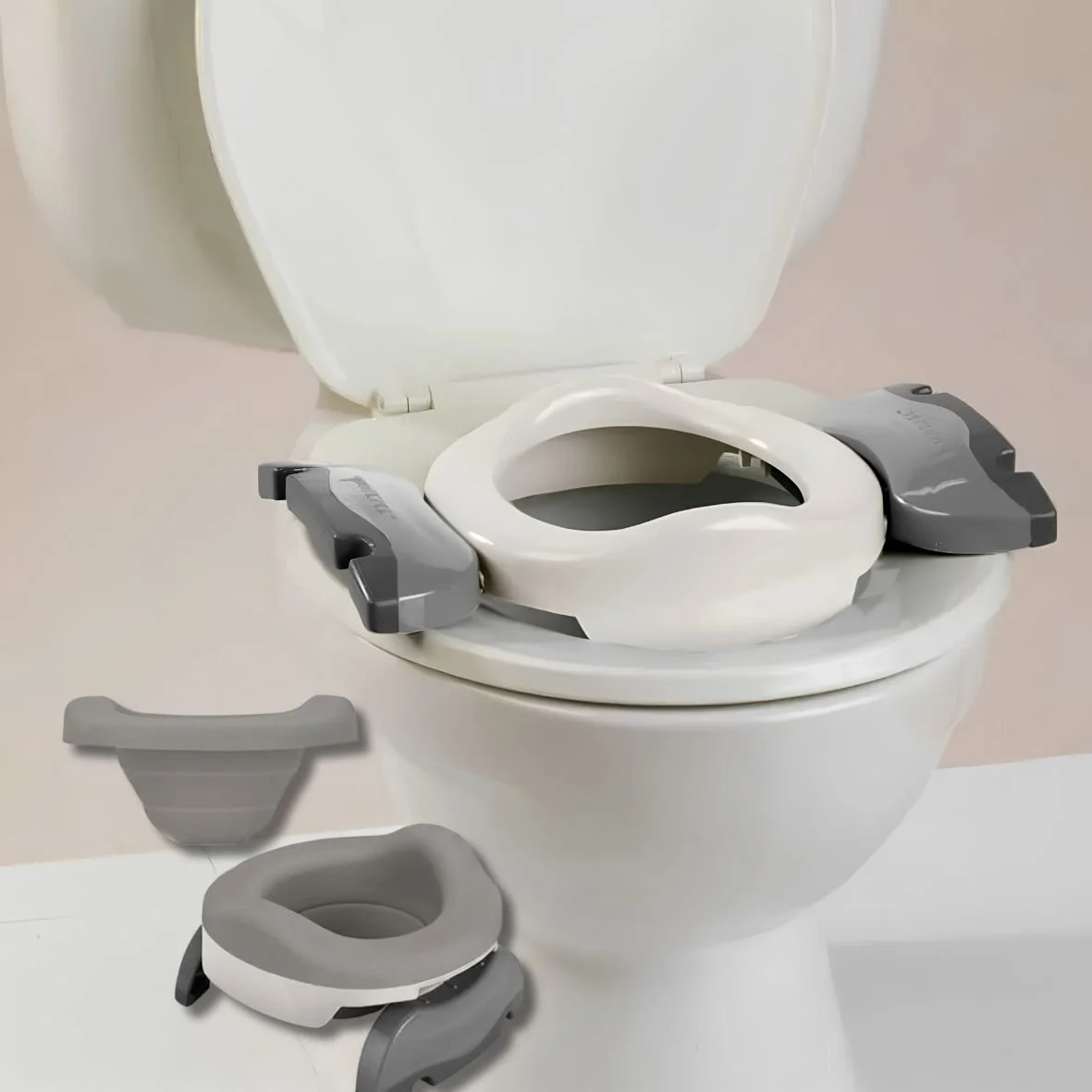
If you're thinking longer term, a modular all-in-one design like the Nattou, Relaxadays (EU) or MoreFeel (US) can be a smart investment. They function as a floor potty, toilet seat reducer, and step stool in one, helping reduce both clutter and future purchases.
For travel, outings and public toilets, I love the versatility of the Potette Plus (also available in the US). It works as both a standalone potty and a toilet seat reducer, making it useful well beyond the early potty learning years. For something even more compact, try the reducer from Ingenuity.
And here's the secret many new parents don't realise: you don't actually need any of these products to start. A mixing bowl, spare container, or simply holding your baby over the toilet, bath, or sink can work surprisingly well.
Creative Potty Companions
Tools, toys and distractions that can help little bodies relax and let go.
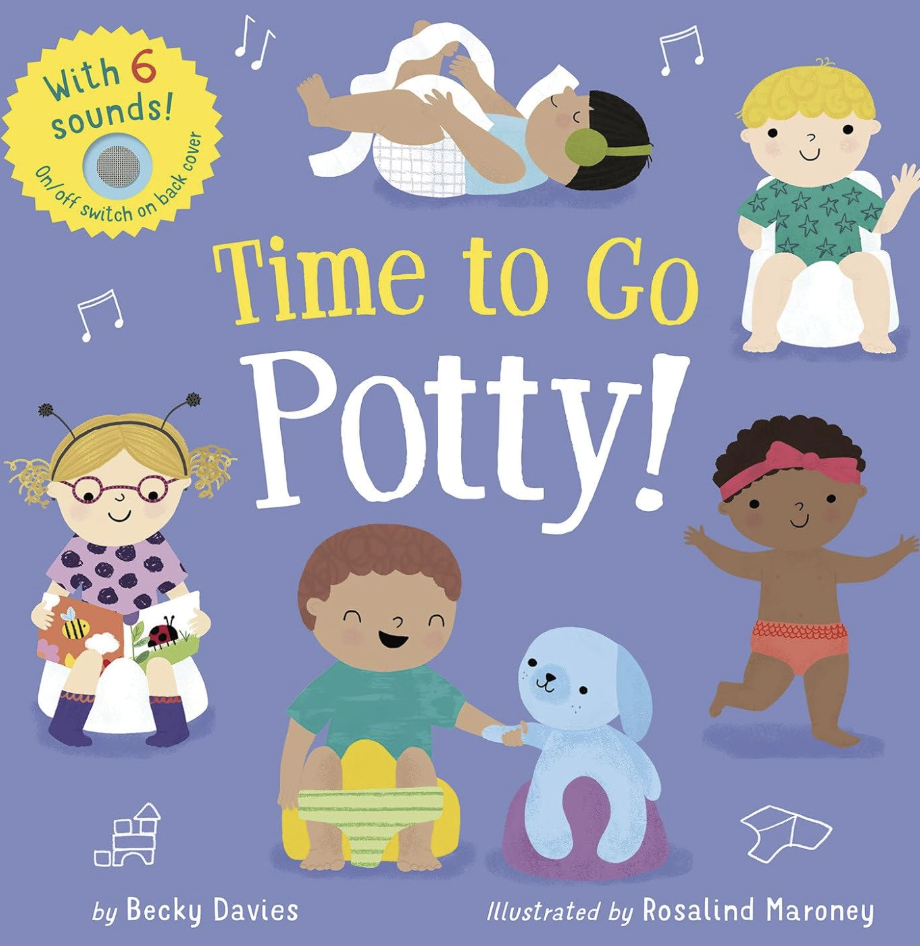
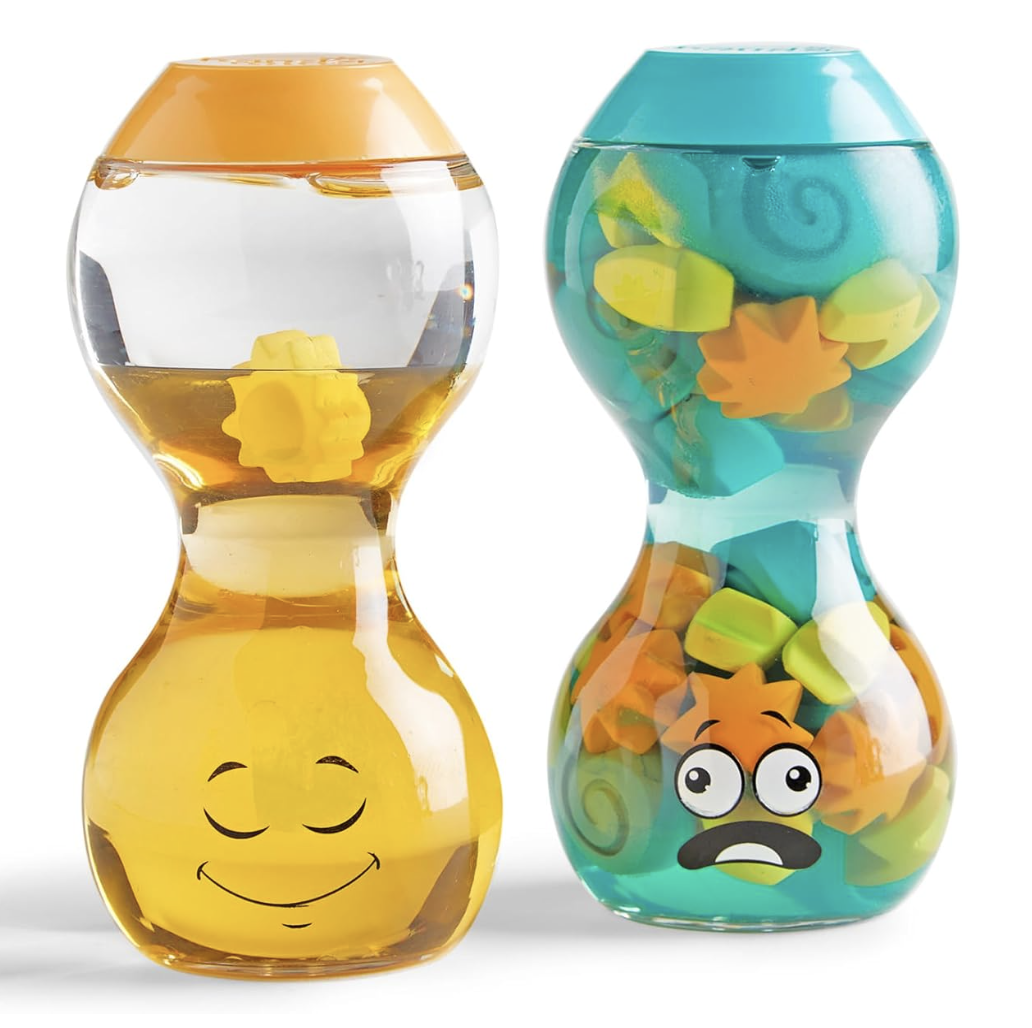
Pottying a more mobile baby or toddler can be a challenge, especially while you're still learning their signals. Often, what looks like potty resistance is actually resistance to stopping playtime.
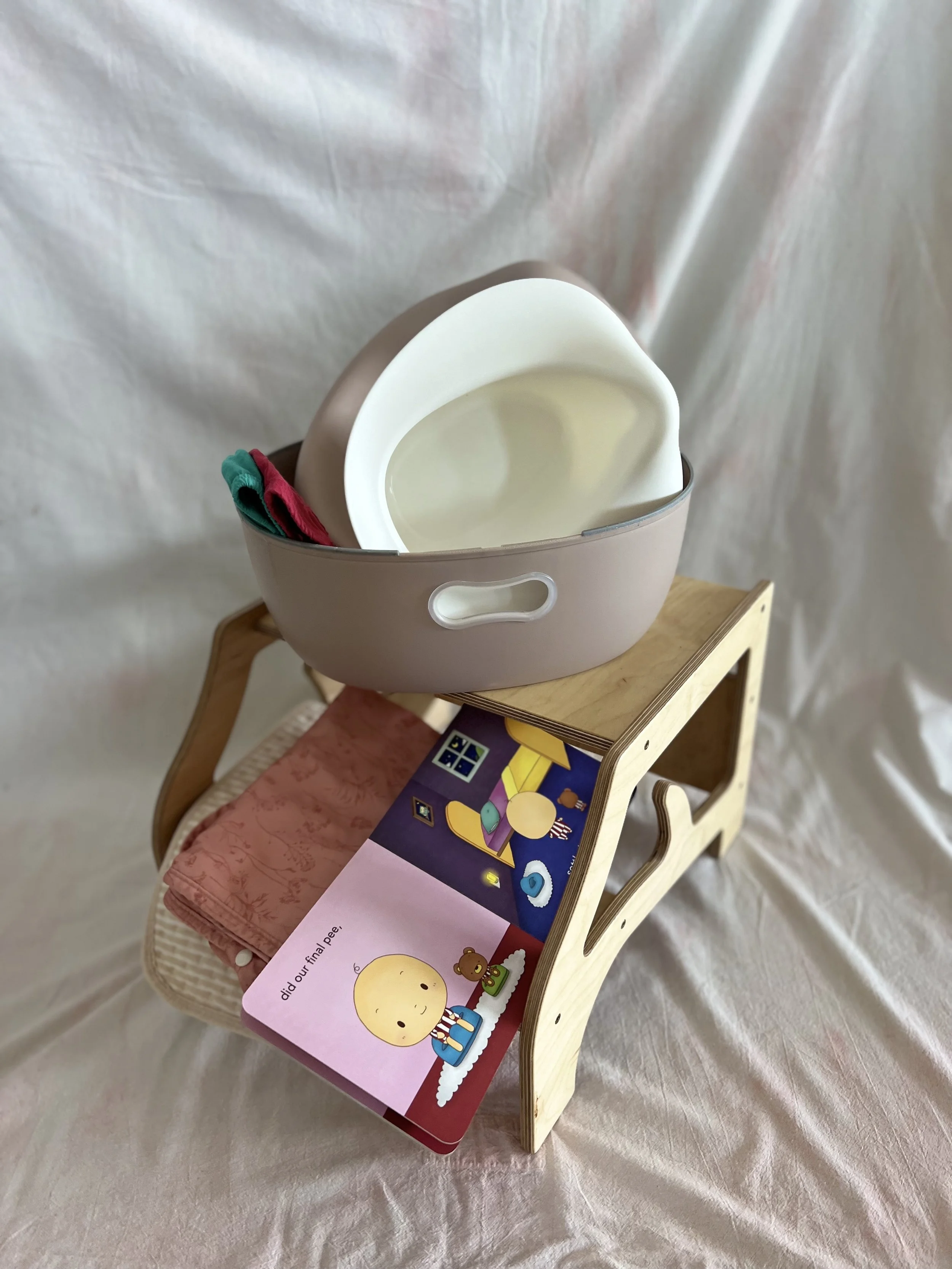
Rather than insisting your child sit on the potty for longer than they'd like, try catching them at natural transitions such as wake-ups, when they're already a little calmer and more likely to cooperate. A dedicated basket of potty-only activities can help keep them engaged while you stay nearby and go about your routine.
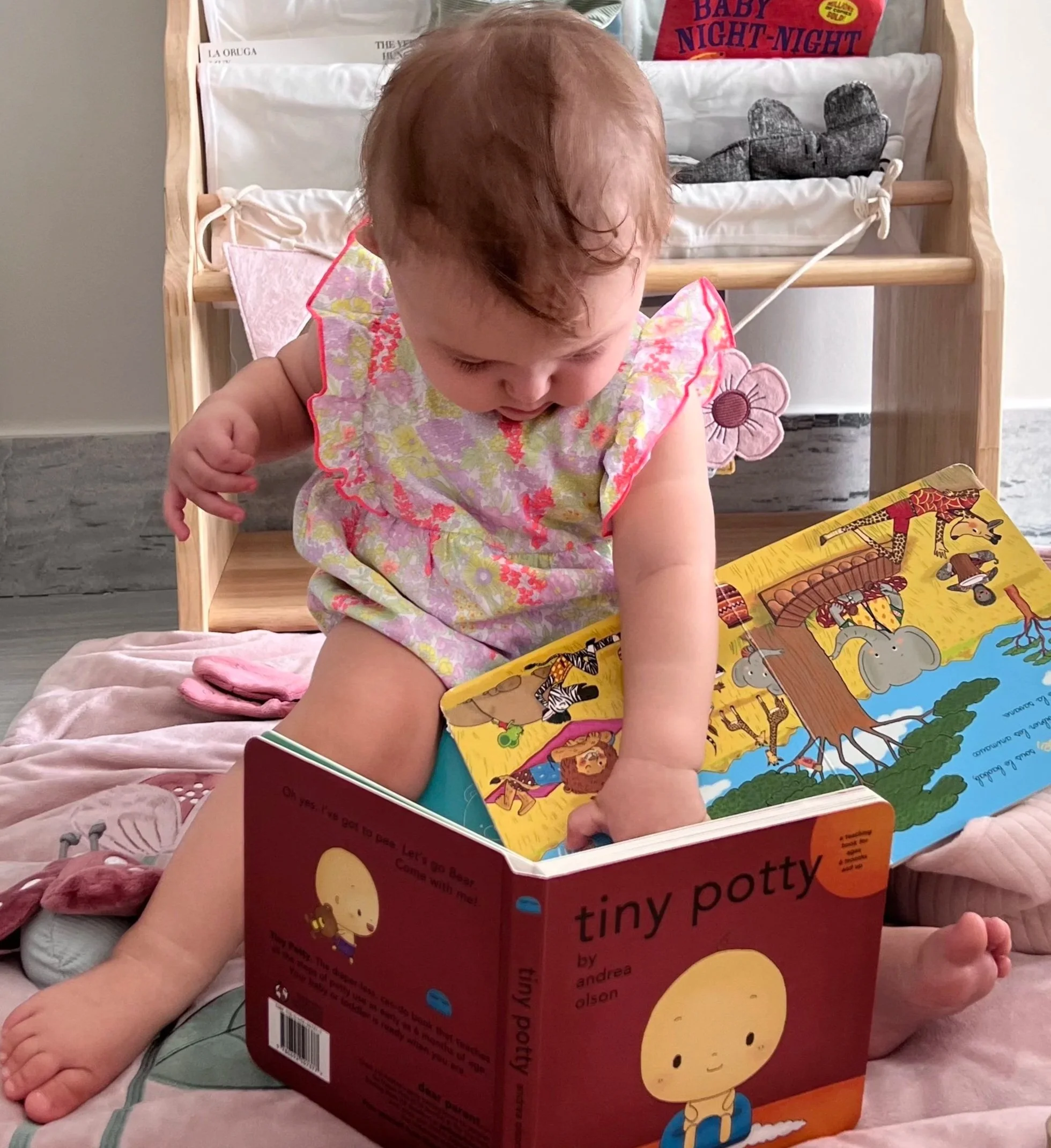
Interactive books are one of my favourite options because they keep little hands busy while gently building body awareness. Where Do You Poop? (EU), the Spanish Voy Solo Al Bano (EU), and Everybody Potties (US) work well because toddlers can explore them independently.
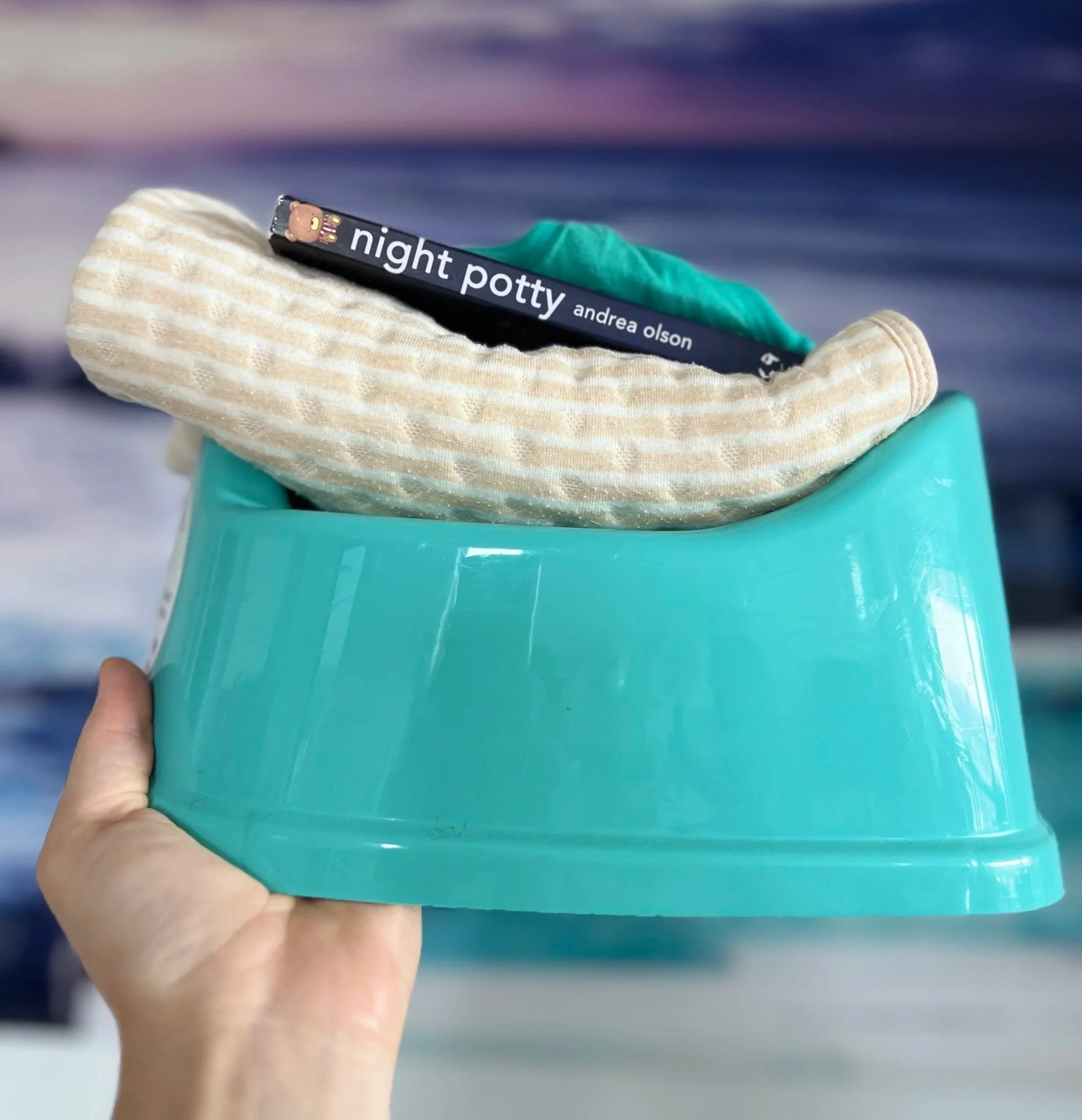
For little ones who enjoy reading together, The Tiny Potty Book, Night Potty (US), and the wonderfully educational Merveilleux Caca (French) are favourites in our house.
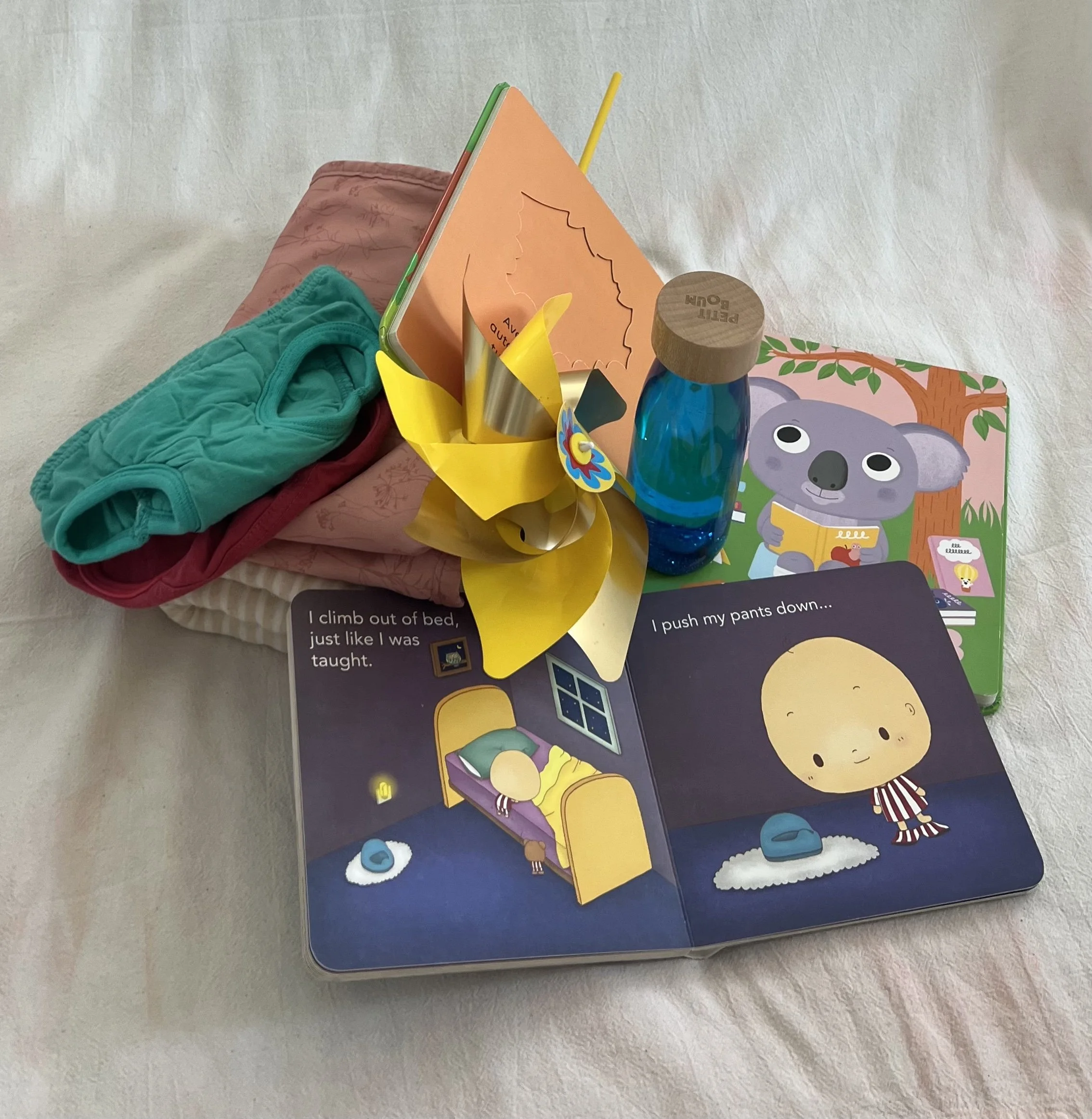
Speaking of learning, plasticine (EU) / (US) can be surprisingly effective for explaining how food moves through the body and eventually becomes poop. It's hands-on, memorable, and keeps busy little fingers occupied.
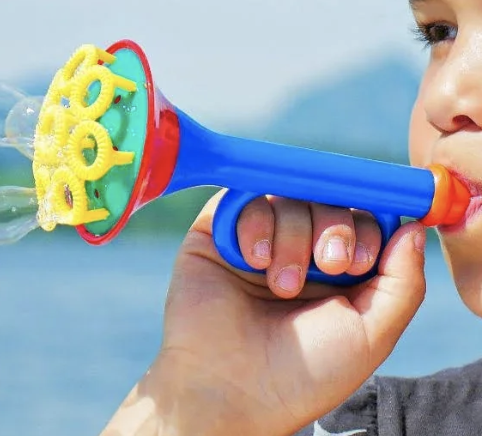
For children who struggle to relax enough to let go, blowing activities can work wonders. In addition to bubbles, these simple windmills, encourage long, slow exhalations, which naturally help relax the pelvic floor.
Running the tap, making your own sensory bottle, letting little feet soak in warm water, exclusively during potty time can shift the focus away from "trying" and back towards simply letting the body do what it already knows how to do.
If you have a potty escape artist, try:
Changing up floor potty time with a seat reducer
Pottying in the bathroom with the door closed
Gently hugging your child while you sing / read together
Sustainable Swaps
Low-waste options & reusable alternatives, to lighten your environmental impact without adding to the mental load.
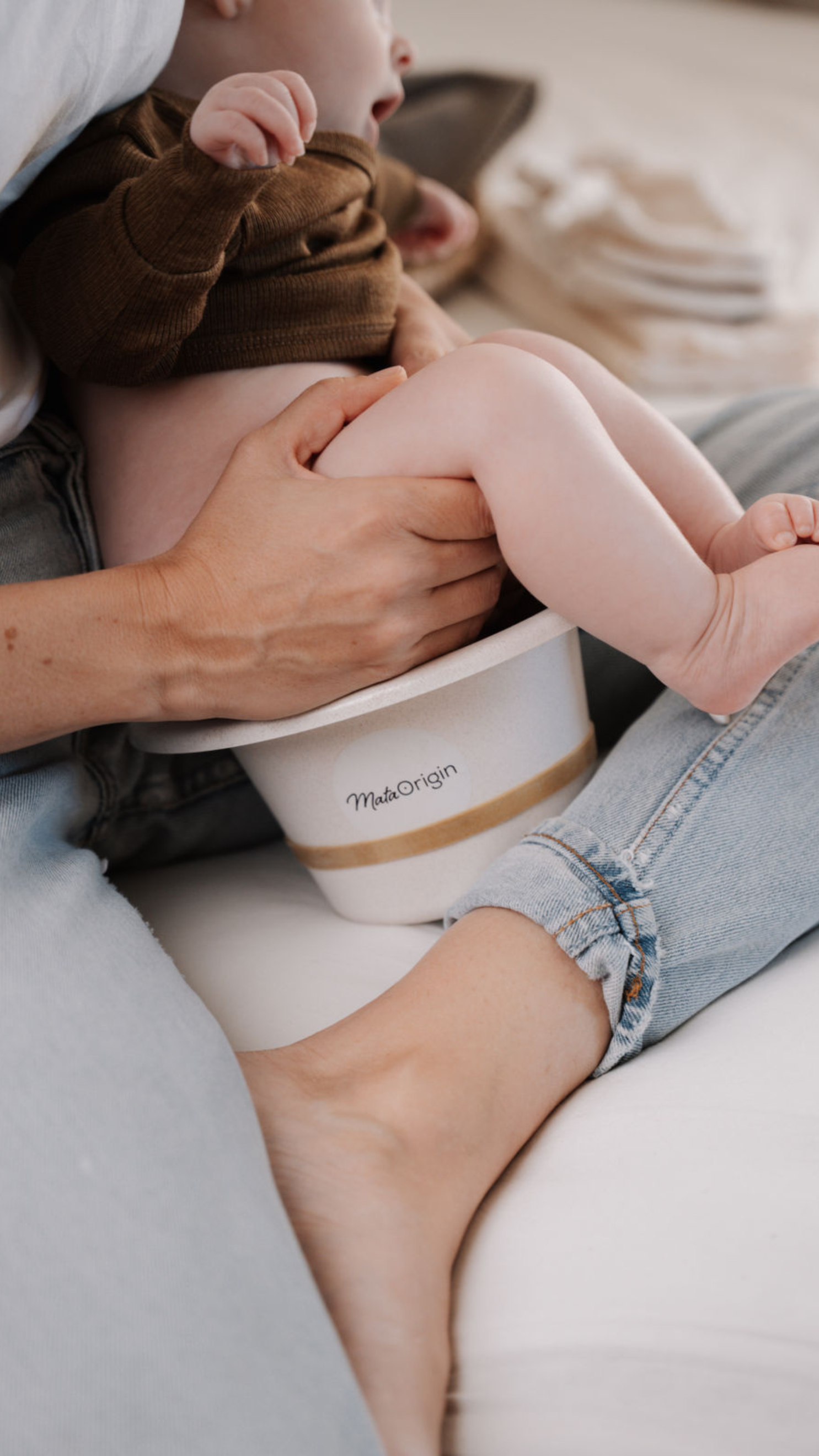
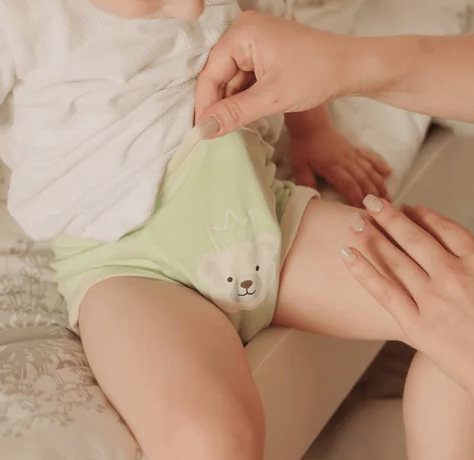
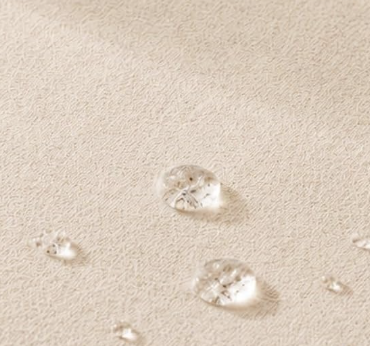
Many parents discover EC because they're hoping to reduce diaper waste. Others simply want to support their child's body awareness from an earlier age.
If you're starting EC from birth or in the early months, the Mata Origin EC Potty is one of my favourite European discoveries. Inspired by the classic "top hat" style potty, it's made in Europe from bioplastic and offers a local alternative to importing from overseas. They also make EC-friendly wool clothing, that keeps your baby warm while being easy to manipulate.
In need of a backup while maintaining bodily feedback? Natissy reusable diaper pads can be tucked into existing underwear using a simple adhesive strip. They absorb misses while still allowing children to experience the feedback that supports potty learning.
As your child becomes more independent, Tiny Trainers can help bridge the gap between diapers and underwear. As a mum who struggled with cloth diapers, I loved the increased mobility and ease they allowed during our (disposable) diaper-free time.
For containing larger misses, Tiny Ups can be added for more absorbency and coverage while still feeling less diaper-like than traditional pull-ups.
One of the biggest misconceptions with earlier potty learning is that going diaper-free means leaving your baby naked for hours on end.
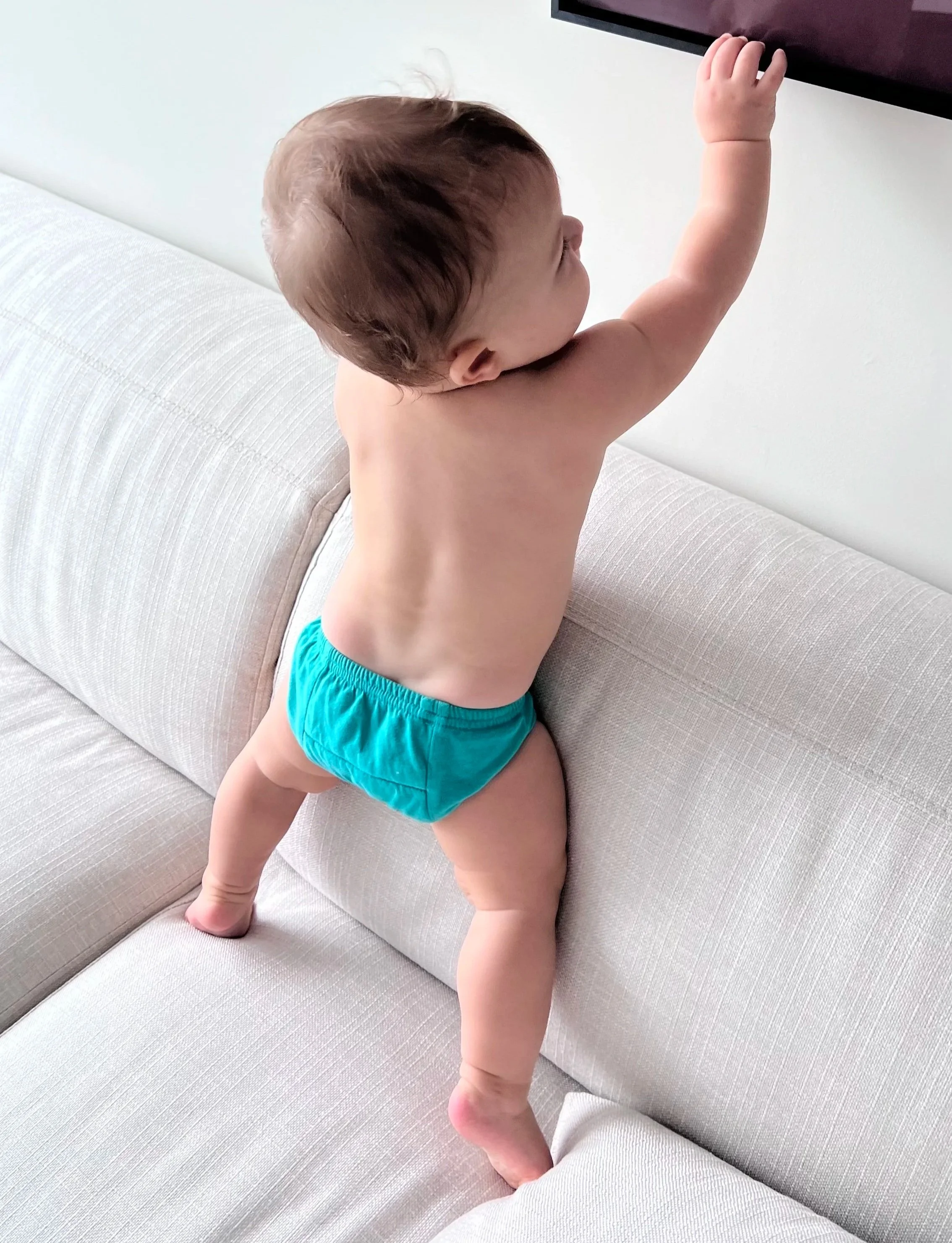
As exciting as it is to reduce diaper reliance, too much completely diaper-free time (without a back-up), can lead to early doubts and the risk that you give up or give your child the message that they can go anywhere but the potty.
There are a growing number of innovative options, like the Natissy reusable training pads, which add a layer of absorbency to regular underwear.
I personally love the range from My Bee Bear. These modular undies with insertable pads are especially developed for nighttime and naps, and can also be used as normal undies as your child grows. P.S. If you use my promo code POTTYDOULA10 and sign up for the mailing list, you'll get 20% off. Even with international shipping, they’re an amazing investment and offer a key learning opportunity for your little one.
For all those inevitable learning moments, a good mattress protector is also worth its weight in gold. I personally love the GoDiaperfree waterproof mat for stroller and car trips, but I included some larger ones above for greater coverage.
One of the things I love most about EC is that you can also make do with what you already have. Old bath towels, muslin cloths, and cut-up cotton t-shirts. Folded and tucked into loose-fitting underwear (or even disposable diapers) when you’re starting and figuring out what works best for your family.
Ready to dive deeper?
The products shared here can certainly help, but they aren't what makes EC and potty learning work.
More often than not, what we need most is reassurance, a sounding board, and someone to help us make sense of our baby's unique signals.
Whether you're expecting your first baby, trying to start EC with an older infant, navigating potty resistance, or simply wondering if you're on the right track, I'd love to help.